Batteries and other solutions aim to store wind, solar and hydropower to make up for intermittent supply
Industry faces 2039 deadline on the dirtiest energy source but existing gas plants escape present standards
Baku still ‘working on’ its own climate plan as president argues fossil fuels will be needed for ‘years to come’
Consumer goods giant extends deadlines and reduces the scale on its ESG goals
Final plenary session of parliament sees climate legislation passed despite political and industry opposition
More than 100,000 evacuated in Chinese floods, schools close in India and Bangladesh, warnings in Thailand and Philippines
Canadian satellite operator GHGSat is proving the power of its technology
Despite chafing at green regulations, companies are making headway on cutting carbon emissions
Move is expected to push up prices as aircraft switch to 10% blend of greener fuels by 2030
Shareholder resolution highlights challenges around Norwegian company’s climate pledge
Rich countries espouse active industrial policy at home while continuing to impose outdated policies abroad
Amin Nasser praises Beijing’s efforts to make solar panels and electric vehicles cheaper
Nobel-winning economist speaks about her climate-focused tax proposal
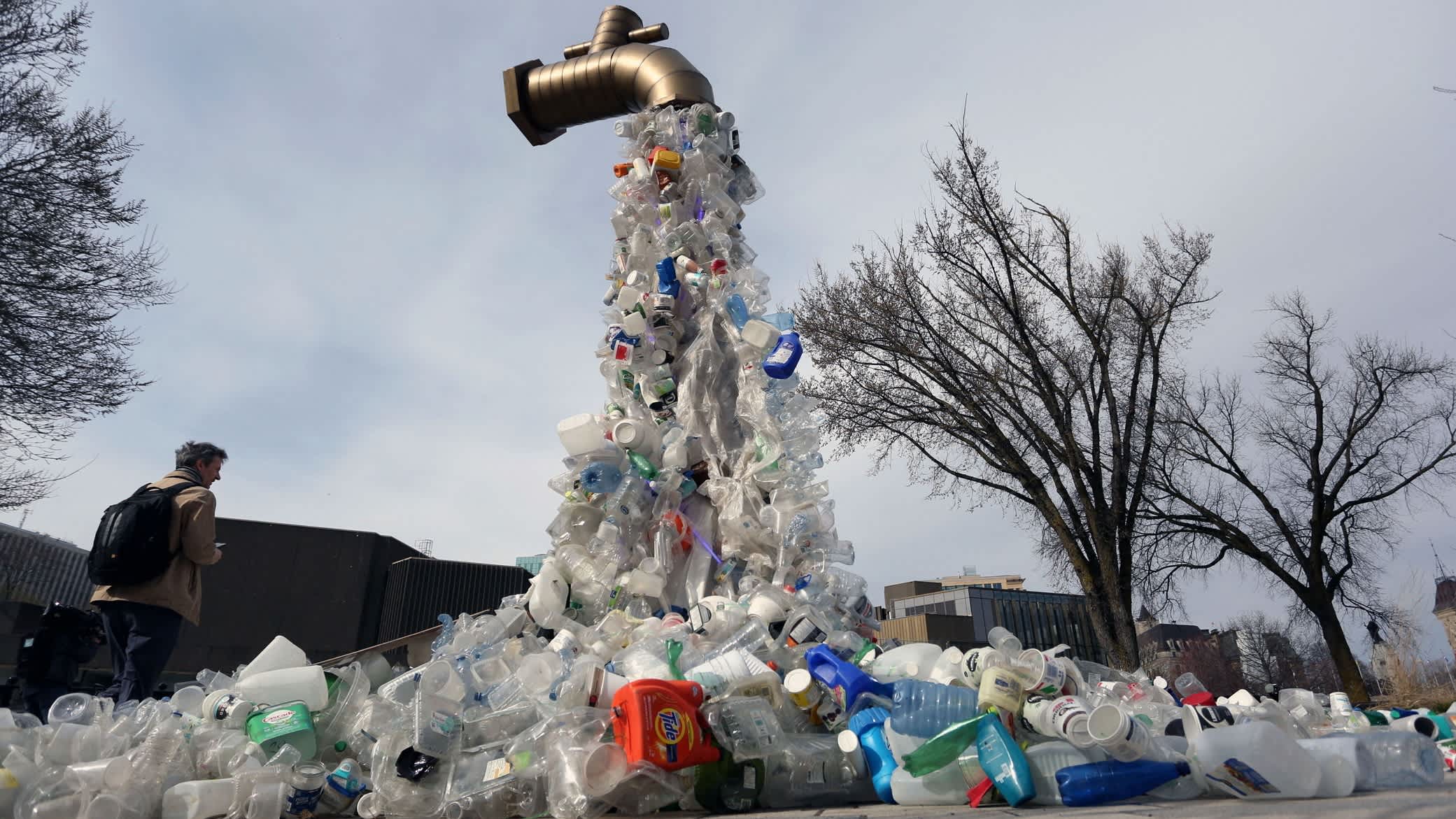
Petrochemical companies oppose global agreement that would cut production to curb pollution
Eiopa head says rise in losses from natural catastrophes needs to be addressed by firms and member states
Head of US oceans agency believes both Democrats and Republicans can see the importance of funding its work
Meteorological agencies indicate coming June, July and August ‘more likely than not’ to be warmer than average
Climate change blamed for difficulties facing world’s biggest consumers
Kerry advisers lobbied for carbon offset approval to channel funds to clean-energy projects in poorer countries
Talks over EV and geothermal energy deals aim to support government’s hub ambitions
Grown-ups are needed in these troubled times but must do a better job on the climate problem
SGS expects to be able to cut vessels’ fuel consumption by up to 30 per cent with its wind-sail technology
Contributions will boost lending to poorer countries as pressure grows
Environmental party reconsiders its future in government after climate targets are ditched
Voting takes place over next six weeks as temperatures expected to reach new highs above 45C in some areas
Also in today’s newsletter, a new tax task force kicks off, and the Net-Zero Asset Owner Alliance widens its scope
Australian oil and gas developer pushed to set more binding net-zero commitments
US bank says higher interest rates, inflation and global conflict have dented outlook for energy transition
With long-haul flights exempt from charges and carriers given free allowances, large share of flights not covered by system
Decision to drop pledge to cut emissions by 75% by end of the decade labelled an ‘abject humiliation’ for SNP-Green coalition
International Edition